Category: Chiles

  • Study: Your Personality Predicts Whether or Not You Love Spicy Food!

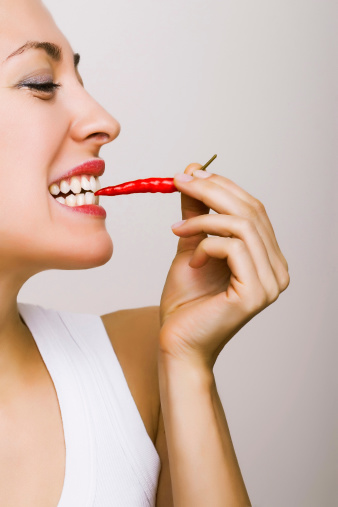
    If you’re a chile lover, you probably find people who don’t adore spicy seasonings, sauces and salsas a mystery. How can someone not love the bite of a spicy enchilada? Or jalapeño poppers? Are spice-phobics serious when they order their huevos rancheros without green chile? They must be joking, right? (more…)

  • 5 Peppers Essential to Mexican Cooking

    It’s no secret that the chile pepper is star ingredient in most Mexican dishes. With more than 40 peppers available commercially, you may be wondering which peppers are essential to creating restaurant-worthy salsas, sauces and seasonings. Here are the top 5 peppers essential to Mexican cuisine, as told by The Chile Guy!

    Habanero

    Habaneros are among the hottest peppers, ranking between 100,000 to 300,000 Scoville units. Commercially, habanero peppers are most often found in salsas and bottled hot sauces.

    Chipotle

    You know a pepper is important when an entire chain of Mexican restaurants is named after it. Chipotle peppers bring a smoky flavor to any dish. That could be because they are actually jalapeño peppers that have been smoked!

    Jalapeño

    Jalapeno peppers are probably the most common chile pepper used commercially in the U.S. Roughly 2-4 inches in length, jalapeños are typically picked while still green, although they can be ripened to a red color. They’re quite hot, too, with a heat index of 2,500-10,000 Scoville units.

    Serrano

    Serrano peppers are commonly used in salsas, sauces and relishes. Serranos are a smaller version of the jalepeno. We think serrano peppers taste amazing in a spicy pico de gallo!

    Poblano

    Mole sauce is made with poblano peppers and chocolate. Poblanos are also used to make chili rellenos. Poblanos can be mild or hot—either way, this dark green pepper has a complex earthy flavor that emerges when roasted.

    Mexican cooking incorporates spice into most dishes, from the menudo you eat as an appetizer to the hot chocolate you eat for dessert. Interestingly, South American natives did not eat many peppers prior to colonization. It wasn’t until after the Spanish colonized South American that spicy peppers became popular in South American cuisine.

    Commercial Bulk Mexican Spices

    Searching for Mexican spices at wholesale prices? The Chile Guy has more than 100 different chile varieties hand selected to guarantee you receive only the best in heat, color, flavor and purity. To purchase any of the above chile in bulk or see our entire selection, contact us or see a list of our bulk spices and herbs.

  • Product of the Month: Guajillo

    Guajillo is the second-most popular pepper in Mexico (after anchos) and it’s easy to see why. Used commercially, guajillo is a workhorse of a pepper that adds heat and complexity to any meat, sauce or rub. (more…)

  • Capsaicin in Chile Peppers: Enjoy The Health Benefits of Heat!

    You might like the way it spices up your salsa and adds a kick to your cuisine, but did you know that peppers contain antioxidants?
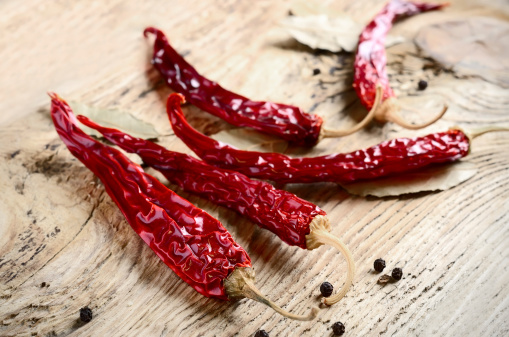
    If you’re a health nut and chile lover, you’ll be happy to hear that the spicier the pepper, the greater the antioxidant benefits. In case you’re not familiar, antioxidants prevent and delay cell damage responsible for aging.

    The secret is capsaicin, the flavorless, odorless and colorless compound found in chile peppers. It’s what gives peppers their heat; the spicier the pepper, the higher the amount of capsaicin. Spicy habanero, Ghost and Scorpion peppers contain the highest amounts of capsaicin, but mild bell peppers have none.

    What are the Health Benefits of Chile Peppers?

    Let’s say you’re cooking and your spouse protests adding pepper because they’re too spicy (The Chile Guy does not believe there is such a thing! In fact, “too spicy” is an Oxymoron when discussing the benefits of Chile. It is the benefit of Chile!). Tell your spouse you’re only thinking of his or her health. Not only do chile peppers contain antioxidants, studies show that they have health benefits in the following areas:

    Inflammation. Capsaicin inhibits substance P, a neuropeptide associated with the inflammatory process.

    Pain relief. This is only if used topically, but recent studies show that topical capsaicin alleviates the pain associated with osteoarthritis and psoriasis patients have also found relief with the compound.

    Cardiovascular benefits. Red chile peppers like cayenne reduce blood cholesterol, triglyceride levels, and platelet aggregation. In one study, folks who ate a chile-containing diet had less damage to cholesterol and triglycerides compared to those who ate a bland diet.

    Immunity.The beta-carotene and vitamin C found in many chile peppers (particularly red ones) can ward off infections and encourage healthy mucus membranes, increasing your immunity.

    Weight loss. Since peppers increase heat production in the body, researchers believe that they can help people lose weight. In fact good friend Hedi Allison wrote “The Chile Pepper Diet” which is an excellent treatise on boosting metabolism and losing weight through Chile Peppers.

    Type 2 Diabetes. An Australian study showed that the amount of insulin needed to lower blood sugar after a diabetic patient ate a meal was reduced if the patient ate a meal containing chile pepper.

    If you find peppers spicy, just keep eating! Capsaicin hits pain receptors on your tongue’s nerve cells, sending a pain message to your brain. However, eating chile peppers consistently desensitizes your nerve cells, so you’ll be feeling less of a burn in no time. Your body does this through endorphins. Endorphins are a body-produced drug to ease pain. For example, long distance runners are able to produce endorphins to ease the pain they feel in their muscles and joints. It puts them in a euphoric state that they become addicted to—hence the term “addicted to his own endorphins.” Eating chile peppers has a similar effect. This chemical chain reaction is also the secret formula in the success of sports bars and beer sales.  Alcohol acts as a neutralizer to the capsaicin cooling the fire (cold beer helps.) and the pepper consumer ingests more capsaicin (hot salsa) gets the endorphin rush and quenches the fire with more cold brew! And the cycle is repeated. Patrons eat more hot stuff, the bar owner sells more beer, the patron gets the endorphin rush and possibly quite drunk, and maybe enjoys the game as well.  Talk about repeat customers!

    Bulk Chile Peppers from New Mexico

    From 5 pounds to 50,000 pounds, you can count on The Chile Guy to provide chile for all of your commercial needs. See our wide selection of dried, whole and powdered chile at wholesale prices, or contact us with questions.

    (Information found in this blog was found on www.whfoods.com)

  • A History of The Chile Pepper

    The history of chile pepper cultivation begins near the dawn of human culture. Evidence for the origin of chile peppers is still up for debate, although some researchers believe that the chile pepper originated in the area we now know as Bolivia. (more…)

  • 5 Things that Affect the Price of Chile
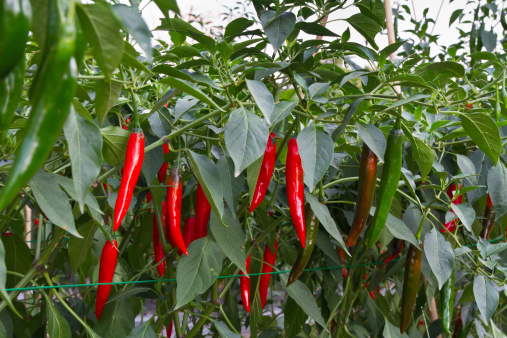
    Declining crops and increasing prices—it’s a familiar story farmers have faced ever since humans started planting crops. In our global economy, climate is only one factor: the price of today’s chile crop is influenced by transportation costs, processing and more. (more…)
  • 10 Interesting Facts About Chile Peppers

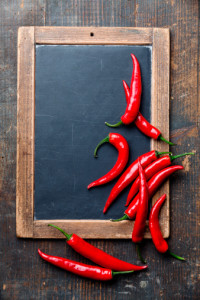
    10 Chili Peppers on slate chalk board

    500 varieties of chile peppers exist in the world, and about 50 varieties are used commercially. After salt, chile is the second most popular spice in the world! Chile peppers are popular because they are economical  to add to food packs a ton of flavor and nutrients.  Not to mention Heat, Capsaicin, the Heat!  Who put the hot in hot-n-tot?

    (more…)

  • Our Dried Chile Sterilization Process & Food Safety

    chileGrowing chile is the process of nourishing peppers so they become the robust, delicious chiles appreciated by our customers across the country. Just as important as growing chile plants is how the peppers are sterilized and handled before they are shipped to our customers. (more…)
  • Christmas Chile: Adding Spice To Your Christmas Favorites!

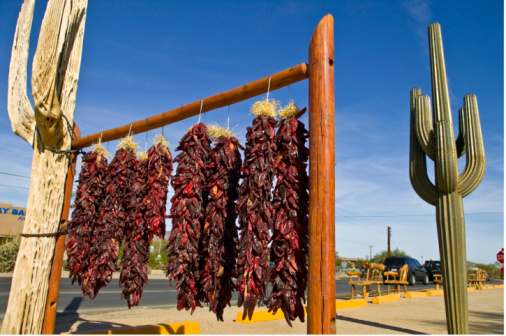
    Holiday Chile RistraWhat do people love about chile at Christmas? While we typically associate turkey, ham and stuffing as typical Christmas fare, oftentimes, that kind of cooking can taste a bit bland for those who love spicy food.


    Thankfully, The Chile Guy has everything you and your customers need to add spice to holiday dishes. Our home state, New Mexico, has more than 400 years of Christmas food traditions that involve the use of chile—here are a few peppers that truly add spice to holiday favorites.


    Spiced Walnuts – Chipotle Chile Powder

    Did you know that chipotle peppers are actually jalapeño peppers that ripen and dry on the vine before they are picked? The smoky flavor of chipotle is perfect for hot spiced walnuts—who wouldn’t like to warm up with some of those on a cold holiday night? At The Chile Guy, you can buy chipotle pepper flakes and chipotle chile peppers.


    Mexican Spiced Hot Chocolate – Ancho Chile Powder

    Ancho chile is used in a variety of dishes including mole sauce recipes, always a good addition to any meal! However, we recommend using it in Mexican spiced hot chocolate, a Christmas favorite. At The Chile Guy, you can order Ancho powder, dried whole pods and flakes.  Ask about Mexican Chocolate.  Or better yet, ask about Mexican Chocolate from Oaxaca!   In Mexico the primary way Chocolate is ingested is by drinking and Mexican Chocolate is the most famous because it is made with a variety of spices including Cinnamon and nuts.  (A note of caution, don’t drink it if you are allergic to nuts and peanuts.)


    Red Chile Sauce – New Mexico Chile Powder

    Chile sauce can be a spicy alternative to gravy on mashed potatoes or a different way to dress the turkey. To make red chile sauce, you need…red chile, of course! The Chile Guy sells a variety of bulk red chile pods and powders, but we recommend New Mexico red chile pods to get that authentic Southwest flavor.


    Of course, the easiest way to make New Mexico red chili sauce is to use fresh dried pods.  Rehydrate them, blend them with the water in which they were boiled and rehydrated, reheat to a slow boil and it is “Reddy!”  Spice with salt, garlic or Mexican Oregano or leave it alone.  You can also add pork or Chicos.  There are many variations.  Put it on your holiday Menudo or Posole and that is about as “authentic” as it gets anywhere!


    Located in Bernalillo, New Mexico (near Albuquerque), The Chile Guy supplies bulk chile to restaurants, distributors and manufacturing companies. To learn how our chile can enhance your sales, contact us at 800-869-9218 or visit our bulk orders page!


  • How to Store Dried Bulk Chile

    Is o.k. to have a separate freezer reserved for your chile :)
    Is o.k. to have a separate freezer reserved for your chile 🙂

    In a previous blog, we discussed the fact that bulk dried chile is easier and cheaper to ship and store compared to fresh peppers. But how do you store the dried chile once you have it in stock? (more…)

Translate »
Privacy Overview

This website uses cookies so that we can provide you with the best user experience possible. Cookie information is stored in your browser and performs functions such as recognising you when you return to our website and helping our team to understand which sections of the website you find most interesting and useful.